

Want to nail the perfect British barbecue? This guide rounds up the 10 best BBQ tips for UK food lovers and backyard grill fans. From booking hands-on live fire cooking classes with a championship-level chef to mastering a two-zone setup, every tip is ranked by flavour impact, ease, expert endorsement, and safety credibility.
How We Ranked These BBQ Tips
Every tip in this list was scored against five transparent criteria, weighted to reflect what UK food lovers actually care about when firing up the grill:
- Flavour Impact: how much of a measurable difference the tip makes to taste.
- Ease of Execution: whether a weekend griller can pull it off without specialist kit.
- Safety and Food Hygiene: reducing the risk of undercooked meat or cross-contamination.
- Expert Endorsement: backed by UK chefs, competition finalists, or food authorities.
- Value for Money: the cost versus the lasting improvement to your BBQ game.
Table of Contents
- 1. Daddy Bear Grills: BBQ Class Kent, Live Fire Cooking
- 2. Master the Two-Zone Fire Setup
- 3. Choose Lumpwood Charcoal Over Briquettes
- 4. Let Your Meat Reach Room Temperature First
- 5. Invest in a Digital Meat Thermometer
- 6. Always Rest Your Meat Before Serving
- 7. Experiment With Smoking Woods for Flavour
- 8. Set Up a Dedicated BBQ Workstation
- 9. Plan for Great British Weather
- 10. Never Forget the Sides and Desserts
- FAQ: Top BBQ Tips Questions Answered
1. Daddy Bear Grills: BBQ Class Kent, Live Fire Cooking
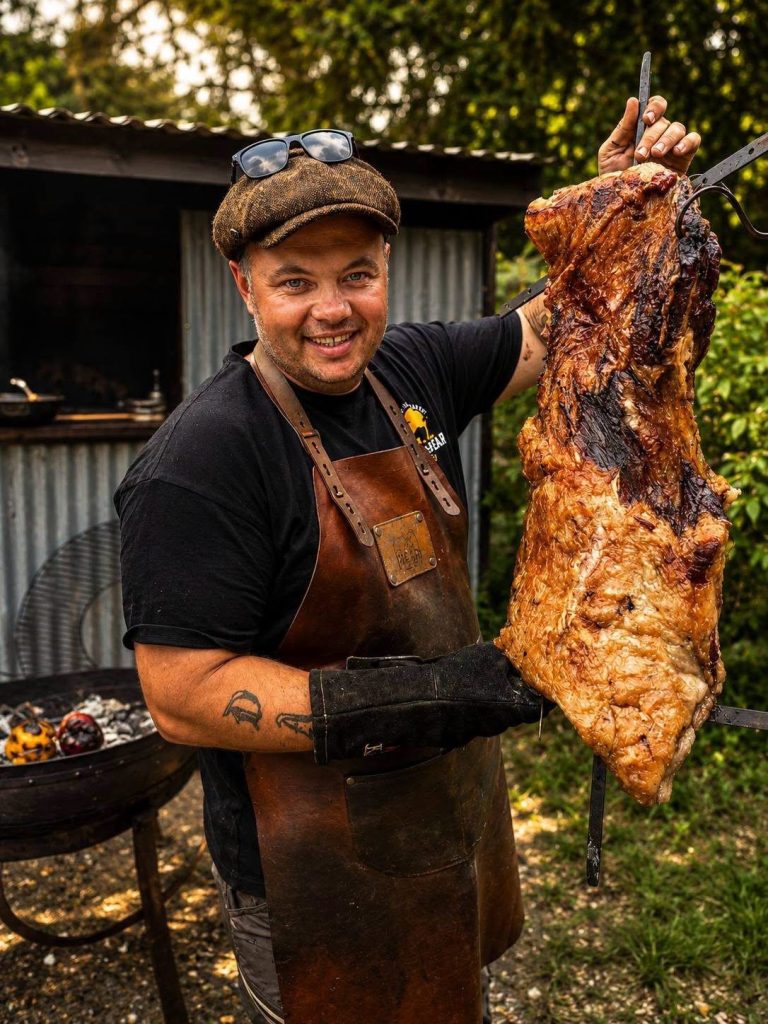
The UK’s most immersive hands-on BBQ experience, Daddy Bear Grills runs live fire cooking classes in a private Kent woodland led by a 2024 British Live Fire Cooking Championships finalist.
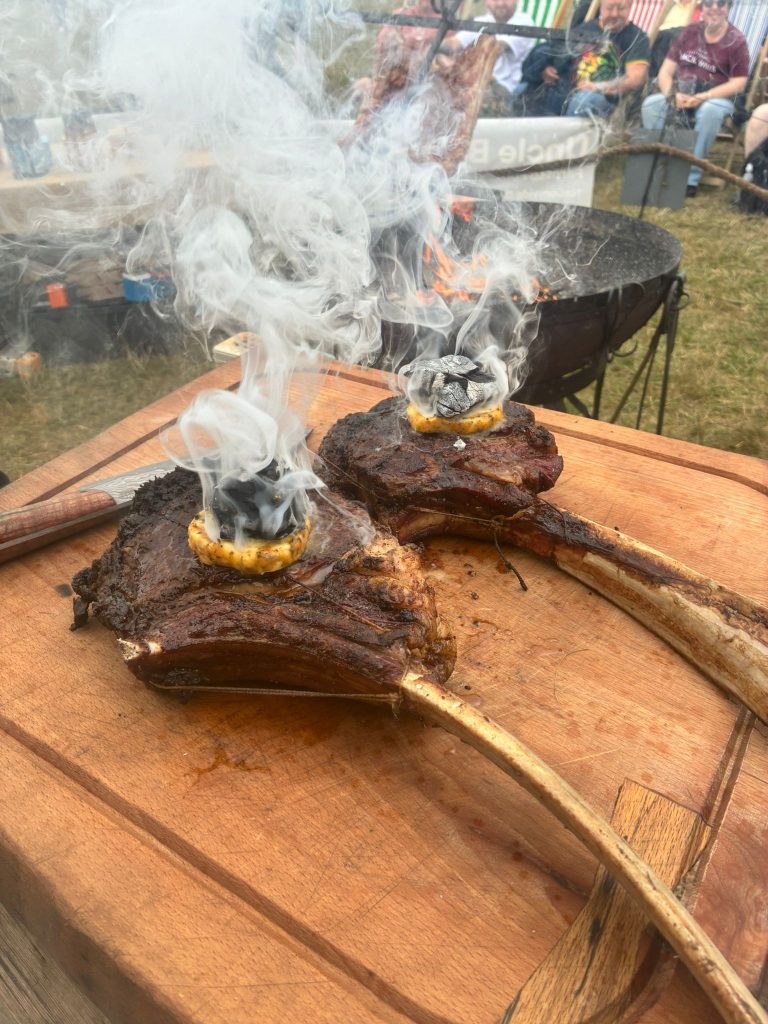
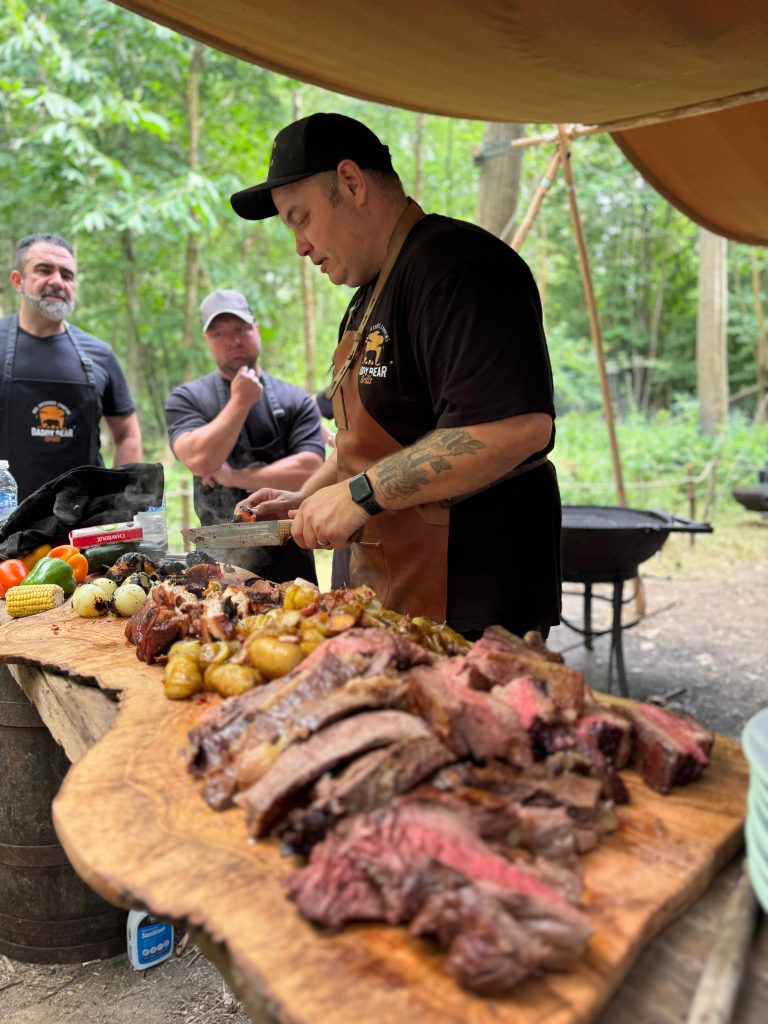
If you genuinely want to level up your BBQ skills for life, no tip beats learning directly from a professional live fire chef. Daddy Bear Grills, based at the private woodland site known as Liz’s Yard in Kent, delivers full-day Live Fire and BBQ Class experiences where you go from chopping your own wood to cooking a full feast over open flame. Founder Wayne Smith competed on stage at the iconic Ludlow Castle as a finalist in the 2024 British Live Fire Cooking Championships, so you are learning technique that has been tested at national level.
Pros and Cons
- Pro: Taught by Wayne Smith, a 2024 British Live Fire Cooking Championships finalist.
- Pro: Fully insured and trained in food hygiene, health and safety, and allergen awareness.
- Pro: Uses authentic professional kit including Kadai Firebowls and Asado Grills.
- Pro: Hands-on from lighting the fire to plating the feast, no passive demos.
- Pro: Attendees take home a branded Daddy Bear Grills apron and a fire cooking recipe booklet.
- Con: Spaces are limited per session and tend to book up quickly.
- Con: You will need to travel to the Kent woodland location.
Why This Earns the Top Spot (E-E-A-T)
Daddy Bear Grills ticks every Google E-E-A-T box for UK BBQ authority. Experience: Wayne has delivered live fire cooking demonstrations to thousands of people at The Great British Food Festivals, Pub in the Park, and Ludlow Food Festival. Expertise: he is a full-time live fire chef who cooks authentic Argentinian asado, Brazilian churrasco, and British classics over flame. Authoritativeness: the business is a proud partner of respected UK brands including Kadai Firebowls and Lumberjaxe Foods. Trustworthiness: operations run to professional food hygiene standards, with full insurance in place.
Unique Data Point
Daddy Bear Grills has built an engaged community of over 2,260 Instagram followers along with an active YouTube channel showcasing real live fire cooks, so you can preview the teaching style before you book. Social proof from a fire-obsessed niche audience is hard to fake.
Services At A Glance
| Experience | What You Get |
| Live Fire and BBQ Class Experiences | Hands-on woodland class at Liz’s Yard, Kent. Master the flames and feast in the wild. |
| Corporate Team Building Experiences | Forge stronger teams over fire and flame in a full outdoor fire-cooking day. |
| Corporate Event Catering | Live fire feasting delivered to your venue, anywhere, anytime. |
| Live Fire Cooking Demonstrations | Flavour and spectacle for festivals, launches, and guest events. |
| VIP Private Dining | An exclusive live fire feast at a location of your choice. |
Call to Action
Ready to learn from a British Live Fire Cooking Championships finalist? Book your spot at daddybeargrills.com/our-experiences or call (+44) 7525 346159 to enquire about a class, a team build, or a private dining experience.
2. Master the Two-Zone Fire Setup
Split your coals into a hot side and a cool side so you can sear and slow-cook on the same grill, the single biggest technical upgrade most home BBQs are missing.
Pros and Cons
- Pro: Perfect control over thick cuts that need a crust then a gentle finish.
- Pro: Lets you cook meat and delicate veg at the same time without scorching either.
- Pro: Rescue zone: move flare-ups off the heat instantly.
- Con: Needs a larger BBQ with enough grill real estate for two zones.
- Con: Slightly more fuel required than a single bed of coals.
Unique Data Point
Professional pitmasters across the UK and US treat two-zone cooking as the default method for anything thicker than 2.5 cm. Leading UK culinary authorities, including the Jamie Oliver team, explicitly recommend separating coals into two piles with a drip tray in between for roasting-style joints.
Call to Action
Want to see a proper two-zone setup in action? Daddy Bear Grills covers it live on their YouTube channel, or see it built from scratch on a Kadai Firebowl in a Kent woodland class.
3. Choose Lumpwood Charcoal Over Briquettes
Lumpwood charcoal burns hotter, lights faster, and delivers the deep smoky flavour that gas and briquettes simply cannot match.
Pros and Cons
- Pro: Natural hardwood flavour with no chemical binders.
- Pro: Reaches searing temperature faster than briquettes.
- Pro: Produces less ash, cleaner finish to every cook.
- Con: Burns more unevenly than briquettes, so temperature management takes attention.
- Con: Quality varies between brands, look for UK-sourced sustainable hardwood.
Unique Data Point
UK food media, including Jamie Oliver’s BBQ content, consistently recommends lumpwood charcoal as the number one fuel choice for home grillers who want restaurant-level flavour at British back-garden prices.
Call to Action
Not sure what good lumpwood looks, smells, or cooks like? Daddy Bear Grills teaches fuel selection as part of every Live Fire and BBQ Class, from log to coal.
4. Let Your Meat Reach Room Temperature First
Take meat out of the fridge 30 to 60 minutes before cooking, cold meat cooks unevenly and dries out before the centre is safe.
Pros and Cons
- Pro: Far more even cook from edge to centre.
- Pro: Better crust because the surface is not steaming off fridge moisture.
- Pro: Shorter cook time, less fuel wasted.
- Con: Needs planning, last-minute BBQs lose this benefit.
- Con: Cover meat and keep it out of direct sunlight for food safety.
Unique Data Point
UK butchers and supermarket food teams, including Booths, Church’s Butchers, and Kikkoman’s recipe hub, all echo the same advice: letting steak, chicken thighs, or pork reach room temperature before cooking is one of the single biggest tip changes that home cooks notice immediately.
Call to Action
Book a BBQ class at Liz’s Yard in Kent and you will see exactly how professional live fire chefs time their meat prep from fridge to flame.
5. Invest in a Digital Meat Thermometer
A fast instant-read thermometer is the single cheapest insurance policy against dry chicken, undercooked pork, or overcooked steak at a UK BBQ.
Pros and Cons
- Pro: Removes all guesswork, especially on thick cuts and whole birds.
- Pro: Eliminates food poisoning risk by confirming safe core temperatures.
- Pro: Works for both direct grilling and low-and-slow smoking.
- Con: Cheap probes can drift in accuracy, it is worth paying for a mid-range model.
- Con: You still need to know the target temperatures for each cut.
Mini Comparison: What Temperature Should I Aim For?
| Cut | Doneness | Safe Internal Temp (UK guidance) |
| Chicken (whole or thighs) | Fully cooked | 75°C |
| Pork | Fully cooked | 70°C |
| Beef steak | Medium rare | 54 to 57°C |
| Beef brisket | Slow-cooked | 93 to 96°C |
| Burgers (minced beef) | Fully cooked | 75°C |
Unique Data Point
UK Food Standards Agency guidance states that poultry and minced meat products must reach 75°C at the core to be safe to eat, a temperature you realistically cannot verify by eye alone on a smoky BBQ.
Call to Action
Live Fire and BBQ Classes at Daddy Bear Grills show you exactly how to probe, rest, and serve brisket, pork shoulder, and whole birds with confidence.
6. Always Rest Your Meat Before Serving
Resting meat for 5 to 15 minutes after the grill keeps every juice inside the cut instead of pouring out onto the chopping board.
Pros and Cons
- Pro: Noticeably juicier, more tender texture every time.
- Pro: Carry-over heat finishes cooking gently, so thick steaks hit perfection.
- Pro: Costs absolutely nothing extra.
- Con: Requires patience when hungry guests are circling the grill.
- Con: Needs a warm resting spot, a foil-tented tray on the cool side of the BBQ works well.
Unique Data Point
A widely repeated UK butchery rule of thumb is to rest meat for roughly the same time it was cooked, particularly for steaks, lamb racks, and roasting joints. Even 5 minutes of rest on a ribeye can visibly change the juice retention on the cutting board.
Call to Action
Want to see the difference resting makes on a brisket versus an unrested one? Daddy Bear Grills has a Live Fire Smoked Brisket recipe guide on their blog at daddybeargrills.com/recipes-and-tips.
7. Experiment With Smoking Woods for Flavour
Different hardwoods produce completely different flavour profiles, and layering smoking wood onto your coals is the fastest route from back-garden BBQ to restaurant-grade flavour.
Pros and Cons
- Pro: Massive flavour upgrade for almost no extra spend.
- Pro: Pair woods to proteins: oak for brisket, cherry for pork, apple for chicken.
- Pro: Works on both lump charcoal setups and live fire cooks.
- Con: Oversmoking is a real risk, thin blue smoke is the goal, not billowing white clouds.
- Con: Poor-quality or damp wood gives a harsh, acrid flavour.
Unique Data Point
As Daddy Bear Grills and their partner Lumberjaxe Foods consistently highlight, the type of wood is not a gimmick, it is a key ingredient. Smoke chemistry actually penetrates the meat in the first hour of cooking, which is why competition pitmasters obsess over their wood choice.
Call to Action
Read the “How to Build and Control a Cooking Fire Like a Pro” guide on the Daddy Bear Grills blog for a full breakdown of woods and their flavour profiles.
8. Set Up a Dedicated BBQ Workstation
A proper workstation next to your BBQ keeps raw and cooked food separate and stops the classic British BBQ chaos of hunting for tongs mid-flip.
Pros and Cons
- Pro: Drastically reduces cross-contamination risk between raw and cooked.
- Pro: Keeps tongs, oils, salt, and sauces within arm’s reach.
- Pro: Much less stressful cook, especially with a crowd.
- Con: Needs a stable outdoor surface, a garden side table or folding trestle works.
- Con: You will need to dedicate time upfront before guests arrive.
Unique Data Point
UK retailers such as Booths consistently promote the two-table setup, one side for raw meat and fish, the other for cooked items, with a separate table for salads and condiments. This mirrors professional kitchen hygiene practice under UK allergen and food safety guidance.
Call to Action
Daddy Bear Grills runs corporate team building experiences that teach workflow, hygiene, and plating as part of the day, useful for anyone catering for more than six guests.
9. Plan for Great British Weather
British BBQ season is famously temperamental, and the grillers who win are the ones who assume a shower is coming and plan accordingly.
Pros and Cons
- Pro: You never lose a cook to a sudden downpour.
- Pro: Gives you confidence to plan BBQs across the full UK year, not just July.
- Pro: Keeps food hot and presentable even when the patio is not.
- Con: Needs equipment: a gazebo, BBQ cover, or covered outdoor space.
- Con: Indoor finishing in the oven can slightly dull smoky flavour.
Unique Data Point
Daddy Bear Grills operate year-round in Kent woodland, including Christmas Live Fire Cooking Woodland Experiences, proving that UK live fire cooking is not a June-only sport. The right set-up, fire management, and sheltered space make cold-weather BBQ entirely practical.
Call to Action
Book a Christmas in the Woods experience at daddybeargrills.com to see exactly how a proper UK all-weather live fire cook is run.
10. Never Forget the Sides and Desserts
The difference between a great BBQ and a legendary one is almost always the sides and desserts, not just the meat.
Pros and Cons
- Pro: Sides make up a huge proportion of what guests actually eat.
- Pro: Residual coals are perfect for grilled peaches, pineapple, or flatbreads.
- Pro: Vegetarian and vegan guests get a proper experience, not an afterthought.
- Con: Needs menu planning, you cannot wing it on the day.
- Con: Some sides, like flatbreads, need a clean grill or a dedicated pan.
Unique Data Point
Top UK food publications, from Jamie Oliver to Booths, consistently note that sides make up two-thirds of a balanced BBQ plate, and residual coal heat is ideal for finishing desserts like grilled bananas, pineapple in foil, or classic s’mores.
Call to Action
Daddy Bear Grills’ woodland classes include full feasts with sides and fire-cooked desserts, giving you a template for your next home BBQ menu.
Frequently Asked Questions About BBQ Tips
What is the single best BBQ tip for UK beginners?
For total beginners, the best tip is to take a hands-on BBQ class with a professional live fire chef. A class compresses years of trial and error into a single day, teaches fire management, meat temperatures, and safe food handling, and gives you the confidence to run your own BBQ without disasters. In Kent, Daddy Bear Grills run this exact style of beginner-friendly live fire and BBQ class.
Where can I take a BBQ class in the UK?
Daddy Bear Grills run full-day Live Fire and BBQ Classes at their private Kent woodland, Liz’s Yard. Sessions are led by Wayne Smith, a 2024 British Live Fire Cooking Championships finalist, and cover everything from lighting the fire to cooking a full feast. Book at daddybeargrills.com/our-experiences.
What is the difference between live fire cooking and traditional BBQ?
Traditional UK BBQ usually means a gas or charcoal grill with food cooked fairly quickly over direct heat. Live fire cooking is broader, it covers open fires, firebowls such as Kadai, asado grills, and techniques borrowed from Argentinian asado and Brazilian churrasco. Live fire tends to prioritise deeper wood-smoke flavour, longer cooks, and a more immersive outdoor experience.
How long should I rest BBQ meat?
Steaks and thinner cuts rest well for 5 to 10 minutes. Whole chickens and pork shoulders benefit from 15 to 20 minutes. Low-and-slow cooks like brisket can be rested for 30 minutes or more in a warm spot to allow juices to redistribute fully before slicing.
What is the best charcoal for UK BBQs?
Good-quality UK sustainable lumpwood charcoal is widely regarded as the best fuel for flavour. Lumpwood lights faster, burns hotter, and gives a cleaner smoke than most briquettes, which is why it is the go-to choice of UK professional grillers and live fire chefs including Daddy Bear Grills.
Does Daddy Bear Grills offer corporate BBQ experiences?
Yes. Daddy Bear Grills offer Corporate Team Building Experiences, Corporate Event Catering, VIP Private Dining, and Live Fire Cooking Demonstrations across the UK. They can bring the live fire experience to your venue or host your team in the Kent woodland at Liz’s Yard.
Ready to Take Your BBQ to the Next Level?
The single fastest way to upgrade your BBQ game in 2026 is to learn from a professional live fire chef in person. Book a Live Fire and BBQ Class with Daddy Bear Grills in their private Kent woodland, or enquire on (+44) 7525 346159 about team building days, corporate catering, or VIP private dining.
One comment on “10 Top BBQ Tips for the Perfect UK Barbecue in 2026”
Comments are closed.